Independent retailers have always thrived on individuality, whether it is a finely tuned edit, personal service, and local connection that big chains can’t match. But as competition grows and margins come under pressure, more independent stores are considering something new: offering their own branded clothing lines. Private labels used to be the domain of department stores, but today, even small retailers are exploring the idea. Should you?
The Upside: Better Margins, More Control, and a Unique Story
The clearest advantage is margin. When you produce your own line, you’re not paying wholesale markups because you’re setting the retail price yourself. For small retailers juggling rising costs and online competition, that can make a meaningful difference. Even a modest capsule collection can deliver stronger profit per square foot than comparable branded goods.
Private labels also give you creative control. Instead of waiting for vendors to release next season’s styles, you can design for your customers. You already know what they love, what sells, and what’s missing from your racks. A small run of exclusive pieces lets you fill those gaps and reinforce your store’s identity.
And because those products exist nowhere else, you build brand loyalty. A shopper who falls in love with your branding, fit or fabric has to come back to you for more. That exclusivity can be powerful marketing, especially when paired with your existing reputation for taste and curation.
The Downside: Upfront Costs and Other Risks
That said, creating a private label is not for the faint of heart. The biggest hurdle is cost and complexity. Designing, sourcing, and producing apparel, even in small batches, requires time, money, and expertise. Unless you already have trusted manufacturing contacts, the learning curve can be steep.
Then there’s inventory risk. If your design misses the mark or your supplier delivers late, you own that mistake entirely. That’s why many start small with one category, one capsule, or one season and build slowly from there.
Quality control is another major consideration. Customers who associate your store with curated, high-end pieces will expect your private label to meet or exceed that standard. A single poorly made garment can damage trust built over years.
Finally, there’s brand positioning. Private labels work best when they complement, not compete with, your existing assortment. If your boutique is known for premium European designers, an inexpensive in-house line could confuse customers unless it’s clearly differentiated and intentional.
The Takeaway
For independent retailers, private labeling can be a smart way to protect margins, express your store’s identity, and deepen customer loyalty, but it’s not a shortcut to easy profit. The most successful small retailers treat it like a natural extension of their brand, not a side project.
Here’s how Blacks’ clients have made it work:
–Offering logo merchandise such a shopping bags, hats, and sweatshirts for loyal customers in resort locations
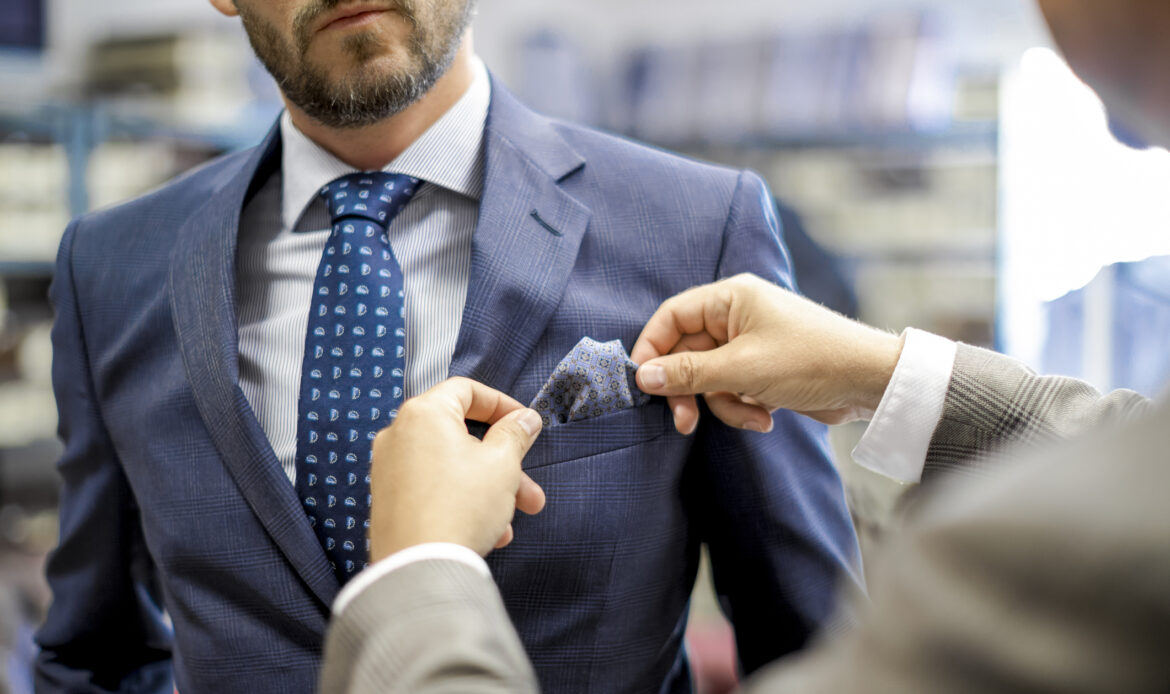
-Private label suiting and dress shirts in better and luxury men’s stores that fill in the gaps left by other vendors
-Private label knits, polos, and belts can add margin dollars to these every day buys
Start with what you know best: your customer. Create a few signature pieces that fill unmet needs, tell a story, and reflect your store’s personality. If it resonates, expand thoughtfully.